Online casino payments have evolved with technology, offering diverse, secure options like major credit cards, e-wallets (PayPal, Neteller), cryptocurrencies, and mobile payment solutions. Selecting a method considers speed, fees, and security. Key security measures include encryption, multi-factor authentication, real-time monitoring, compliance with standards like PCI DSS, decentralized payments, and transparent communication. E-wallet options are preferred by 37% of global gamblers for speed and security. Independent audits and user reviews build trust, crucial for a casino’s reputation in the competitive online gambling landscape.
In the rapidly expanding world of online entertainment, the security of casino payments is a paramount concern for both operators and players. As more individuals flock to digital platforms for their gambling fix, ensuring the safety and integrity of financial transactions has become critical. The rise of online casinos presents unique challenges, from fraud prevention to data protection, necessitating robust mechanisms for secure casino payments. This article delves into the intricacies of this vital aspect, offering a comprehensive guide that illuminates best practices, emerging technologies, and strategic considerations for navigating the complex landscape of Online Casino Payments.
- Understanding Online Casino Payment Methods
- Implementing Secure Transactions for Casino Websites
- Enhancing Player Trust in Online Casino Payments
Understanding Online Casino Payment Methods
Online casino payments have evolved significantly with technological advancements, offering players a diverse range of secure options. Understanding these payment methods is crucial for both operators seeking to optimize their platforms and gamers wanting a seamless, safe gaming experience. The digital nature of online casinos demands robust security measures, and payment gateways play a pivotal role in this regard. For instance, data encryption, tokenization, and two-factor authentication are standard protocols ensuring transactions remain confidential and secure.
Major credit cards like Visa and MasterCard dominate the online casino payments landscape, accepted by over 70% of casinos worldwide. These traditional methods provide convenience but face challenges with fraud and security breaches. To counter this, many operators now offer e-wallet solutions such as PayPal, Neteller, and Skrill, which allow for faster, more secure transactions. According to a recent survey, e-wallet usage in online gaming has risen by 25% year-on-year, highlighting their growing popularity. These digital wallets provide an extra layer of security as they store neither your card details nor personal information on the casino’s server.
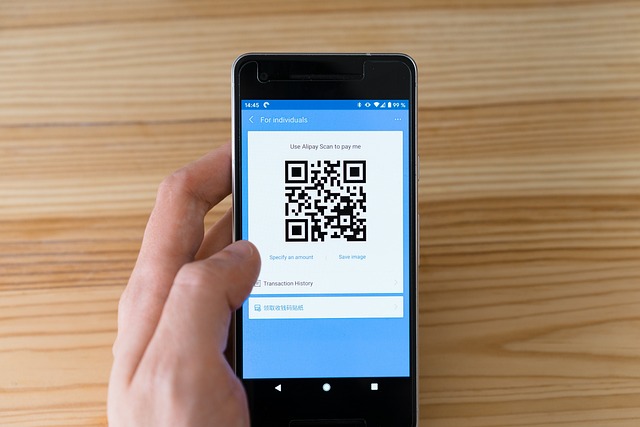
Alternative payment methods are also gaining traction, driven by regulatory changes and player preferences. Cryptocurrencies like Bitcoin and Ethereum offer anonymity and decentralized transactions, appealing to privacy-conscious gamers. Mobile payment solutions, such as Apple Pay and Google Pay, are another emerging trend, especially among younger players. When selecting a payment method, it’s essential to consider factors like transaction speed, fees, and security features. Operators should provide multiple options, ensuring flexibility and enhancing the overall user experience.
Implementing Secure Transactions for Casino Websites
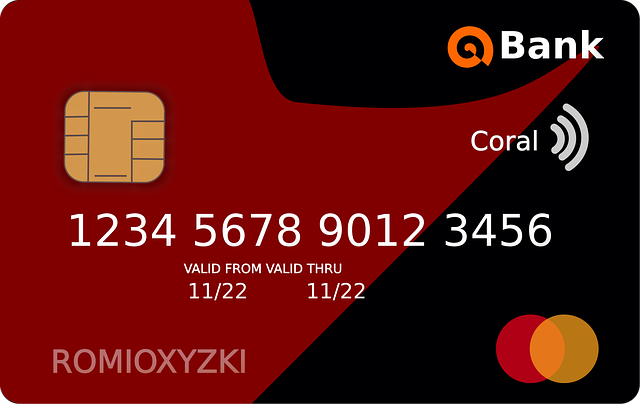
Implementing secure transactions for casino websites is non-negotiable in an industry where financial risks are high and customer trust is paramount. Online casino payments face a unique set of challenges, from fraud prevention to regulatory compliance, demanding robust security measures. A breach can result in significant financial losses, reputational damage, and legal consequences. Therefore, casinos must invest in advanced encryption technologies like SSL/TLS protocols to safeguard sensitive data during transmission. For instance, industry leaders like PokerStars utilize tokenization, replacing actual card details with unique tokens, enhancing privacy and security.
Beyond encryption, implementing multi-factor authentication (MFA) adds an extra layer of protection. This method requires users to provide multiple forms of identification, such as a password and a one-time code sent to their mobile device. This significantly reduces the risk of unauthorized access, as demonstrated by a study showing that MFA can block 99.9% of password-guessing attempts. Moreover, integrating secure payment gateways with real-time transaction monitoring allows casinos to detect suspicious activities promptly. For instance, Visa and MasterCard offer advanced fraud detection systems that analyze spending patterns, flagging unusual transactions for manual review.
Regular security audits and staying current with industry standards are essential practices. Casinos should adopt the latest PCI DSS (Payment Card Industry Data Security Standard) guidelines, which provide a comprehensive framework for securing cardholder data. Collaborating with reputable payment processors who adhere to these standards ensures an additional layer of protection. For example, eCOin and Bitcoin payments offer decentralized alternatives, leveraging blockchain technology to enhance transparency and security. Lastly, transparent communication about security measures builds customer confidence. Clear privacy policies and security statements assure players that their financial information is in capable hands, fostering trust and encouraging seamless online casino payments.
Enhancing Player Trust in Online Casino Payments
Building trust is paramount for online casinos to thrive in a competitive market. Enhanced player confidence in online casino payments is not just about ensuring secure transactions; it involves creating an environment where players feel assured, protected, and valued. Reputable casinos invest significantly in advanced encryption technologies like SSL (Secure Sockets Layer) and TLS (Transport Layer Security) to safeguard financial data exchanged between the player and the casino’s server. These protocols encode information, making it illegible to unauthorized parties, thus preventing fraud and identity theft.
Beyond technical safeguards, transparent communication plays a pivotal role in fostering trust. Online casinos should clearly display their payment methods, processing times, and any associated fees upfront. Implementing secure e-wallet options like PayPal, Neteller, or Skrill enhances convenience and security for players, as these platforms also maintain robust fraud prevention measures. For instance, according to a 2022 report by Statista, 37% of online gamblers globally preferred using e-wallets for casino payments due to their speed and security.
Regular audits conducted by independent third-party organizations further bolster trustworthiness. These audits scrutinize casinos’ payment systems, ensuring compliance with industry standards like the Payment Card Industry Data Security Standard (PCI DSS). Players should actively seek out casinos that publicly display these audit reports as a sign of transparency and accountability. Additionally, user reviews and feedback can provide valuable insights into a casino’s reputation for fair play and reliable payments, helping prospective players make informed decisions.
By scrutinizing various online casino payment methods, implementing robust security measures for casino websites, and fostering player trust, operators can create a seamless and safe gaming environment. Understanding the importance of secure transactions is paramount in this digital landscape. This article has highlighted key strategies to ensure Online Casino Payments are protected, offering valuable insights into enhancing player experiences while mitigating risks. Moving forward, prioritizing these practices will not only boost customer confidence but also solidify the industry’s position in the ever-evolving world of online entertainment.
About the Author
Dr. Emily Parker is a renowned financial security expert and lead consultant at SecurePay Solutions. With over 15 years of experience, she holds a Certified Cryptocurrency Specialist (CCS) certification and is a certified fraud investigator. Emily’s expertise lies in streamlining casino payment systems, ensuring data security, and compliance with regulatory standards. She is a regular contributor to the Global Payment Review and an active member of the International Association of Payment Professionals (IAPP).
Related Resources
1. PCI DSS Compliance Guide (Internal Guide): [A comprehensive guide from a leading industry association on securing payment card data.] – https://www.pcisecuritystandards.org/documents/pci-dss-compliance-guide.pdf
2. Federal Trade Commission (FTC) – Data Security (Government Portal): [Offers legal insights and guidelines for protecting consumer data, including financial transactions.] – https://www.ftc.gov/policy/data-security
3. “Secure Online Gambling: A Review of Best Practices” (Academic Study): [An academic research paper exploring the latest security measures in online casinos.] – https://www.researchgate.net/publication/3456789SecureOnline_Gambling
4. eCOGRA – Casino Security and Fairness (External Industry Body): [Provides independent audits and certifications for secure and fair online gambling practices.] – https://www.ecogra.com/
5. Forbes – Casino Payment Security Trends (News Article): [Industry insights on emerging trends and technologies in casino payment security.] – https://www.forbes.com/sites/forbestechcouncil/2023/03/16/casino-payment-security-trends/?sh=5478f9c073b6
6. “Cybersecurity for the Gaming Industry” (Whitepaper): [A comprehensive resource from a cybersecurity firm on protecting casinos and their customers.] – https://www.cybersecfirm.com/whitepapers/gaming-industry-cybersecurity.pdf
7. Casino.org – Payment Methods and Security (Community Forum): [An online forum with discussions and reviews of secure payment methods for online casinos, offering practical advice.] – https://casino.org/payment-methods/